
Verres et correction
Understanding corrective lenses, plainly explained
Lens terms become easier to compare once each one is explained in everyday language. This section covers geometry, refractive index, and coatings, so you can prepare better questions for your eye care professional.
Technologie optique
How lens design shapes what you see
Geometry
Single-vision, progressive, and occupational lenses
Single-vision lenses share one correction across the whole surface. Progressive lenses blend several zones of power for near, intermediate, and distance. Occupational lenses are shaped for tasks such as computer work, so each design suits a different daily routine.
Materials
Refractive index and lens thickness
A higher refractive index lets a lens bend light more strongly, so it can be made thinner at the same prescription. Thinner lenses are lighter and often sit more comfortably in the frame, though each material has its own trade-offs in weight, clarity, and durability.


Coatings
Anti-reflective and blue-filter treatments
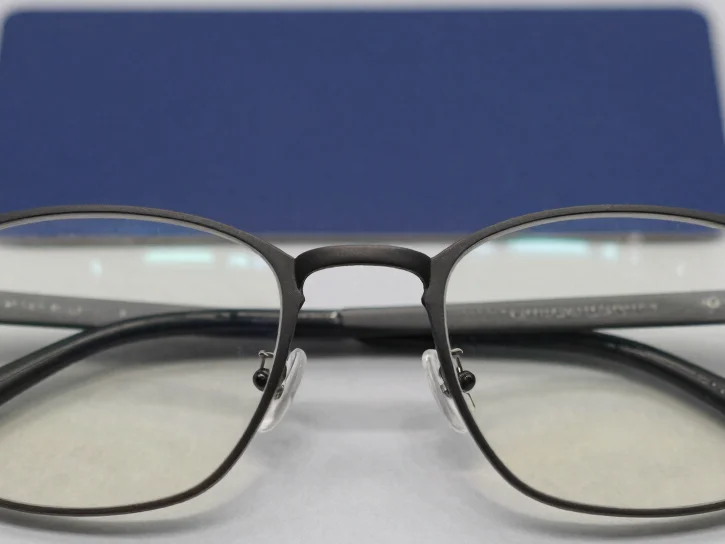
Anti-reflective coatings reduce glare and reflections on the lens surface, which can make images appear clearer, especially at night. Blue-filter treatments are marketed for screen use, but the research on their benefits is still limited, so they are best understood as a comfort option rather than a proven protection.
Medical information policy
This site shares general optical information drawn from professional and scientific sources. It does not offer personalized medical advice, and it cannot replace an eye examination or a prescription from a qualified eye care professional.
NetLooks editorial policy