
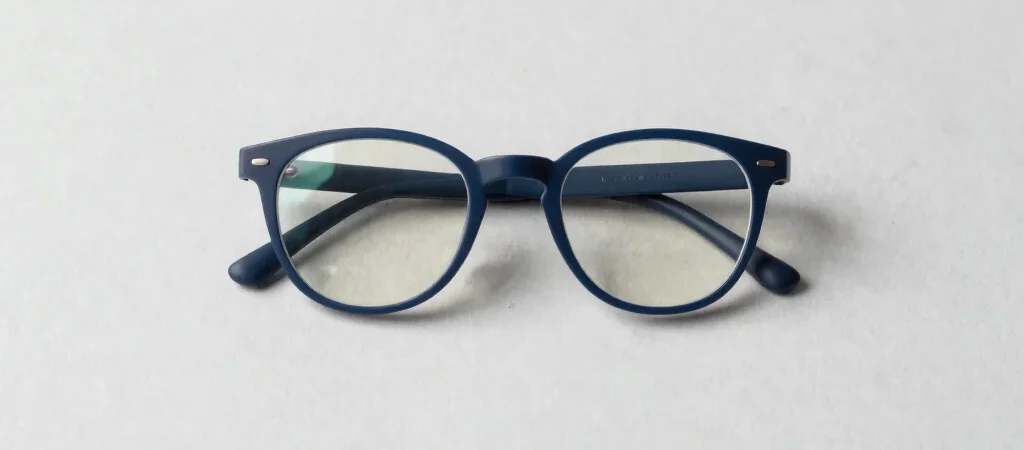
Two people can have the same face shape and suit very different glasses. Face-shape guides are useful for spotting contrasts—angular frames against softer features, for instance—but they cannot account for bridge fit, lens size, or how a frame sits when you move.
Begin With Proportion
Notice the width of the frame in relation to your face, not just whether its outline is round, square, or oval. A frame that extends far beyond the temples can dominate; one that is too narrow may press at the sides. These are starting points for comparison, not strict rules about what you can wear.
Check The Fit In Motion
A comfortable frame should sit securely without pinching, and it should not slide down every time you look toward the floor. Pay attention to the bridge and the points where the temples meet your head. Small differences in bridge shape and temple adjustment can change the feel more than a frame’s general silhouette.
Let Daily Use Decide
Think about what you need to see through the lenses and how long you will wear the glasses at a stretch. Large lenses may leave more room for a wide field of view, but frame dimensions also affect lens thickness and weight, depending on the prescription and lens design. When trying frames, look straight ahead, turn your head, and notice whether they remain comfortable.
Use The Guide, Then Look
Face shape can help you decide which frames to try first; it cannot tell you which pair will fit your features or feel right all day. Compare a few shapes in person or with a reliable virtual try-on, and treat comfort and stable fit as part of the style decision.