
Montures
Frame architecture, materials, and craft
Hinges, bridges, and tailored fit determine how a frame feels after hours of wear. This category examines the construction behind everyday eyewear, from the design of a frame to the engineering of its materials.
Construction
Anatomy of a frame

Hinges
How barrel hinges shape comfort
A barrel hinge joins the temple to the front and sets how the arms open, close, and sit behind the ear. Its tension and alignment affect stability on the face, so this is one of the first details to examine when judging a frame's build.
Bridges
Bridge geometry and fit
The bridge rests on the nose and carries much of the frame's weight. Its width, curve, and soldering determine whether lenses sit at the correct distance from the eyes, which matters for both comfort and visual clarity.


Custom work
Where tailoring begins
Custom frame ergonomics adjust temple curvature, pad placement, and overall proportion to a wearer's head and face. Hand-finishing can refine these details, while industrial production usually relies on standard sizes that fit a wider range of people.
Matériaux
Comparing frame materials
Each material changes how a frame is shaped, finished, and worn. The differences below describe general characteristics to help readers compare options before consulting an optician.

Cellulose acetate
Acetate is a plant-derived plastic milled into sheets and shaped into frame fronts. It offers a wide palette of colors and layered finishes, though it can be heavier than metal and is sensitive to heat.
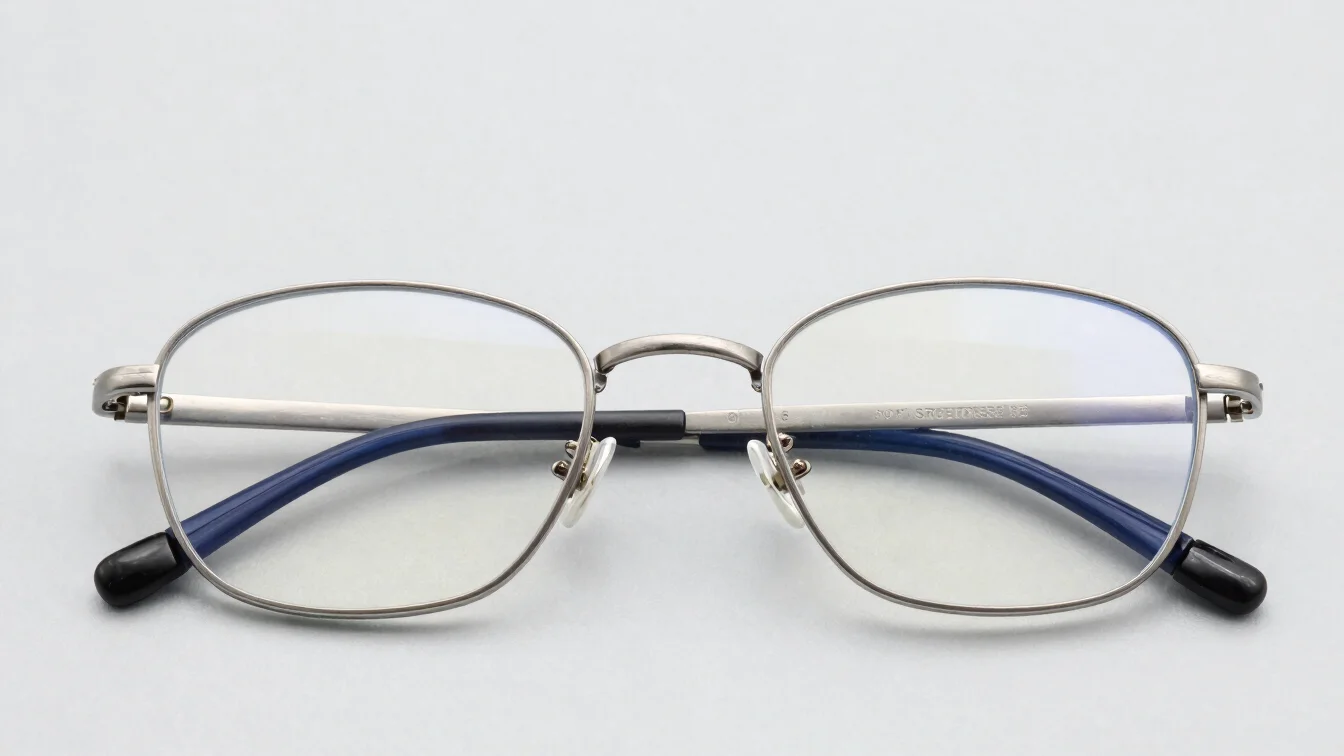
Beta-titanium
Beta-titanium is a lightweight alloy valued for flexibility and resistance to bending. Its thin profiles suit minimal designs, although finishing is more technical than with acetate.

Stainless steel and horn
Stainless steel offers a fine, durable structure for slim frames, while horn and bio-based polymers provide natural textures with different weight and care requirements. Each option suits different design priorities and budgets.